Prices
Timber Privacy Screen Prices — Volume Rates
A decorative timber privacy screen is a patterned panel that blocks a sightline without blocking the light or the air. It is the alternative to a solid fence or a strip of frosted glass, and on a period house it is very nearly the only alternative that does not look wrong.
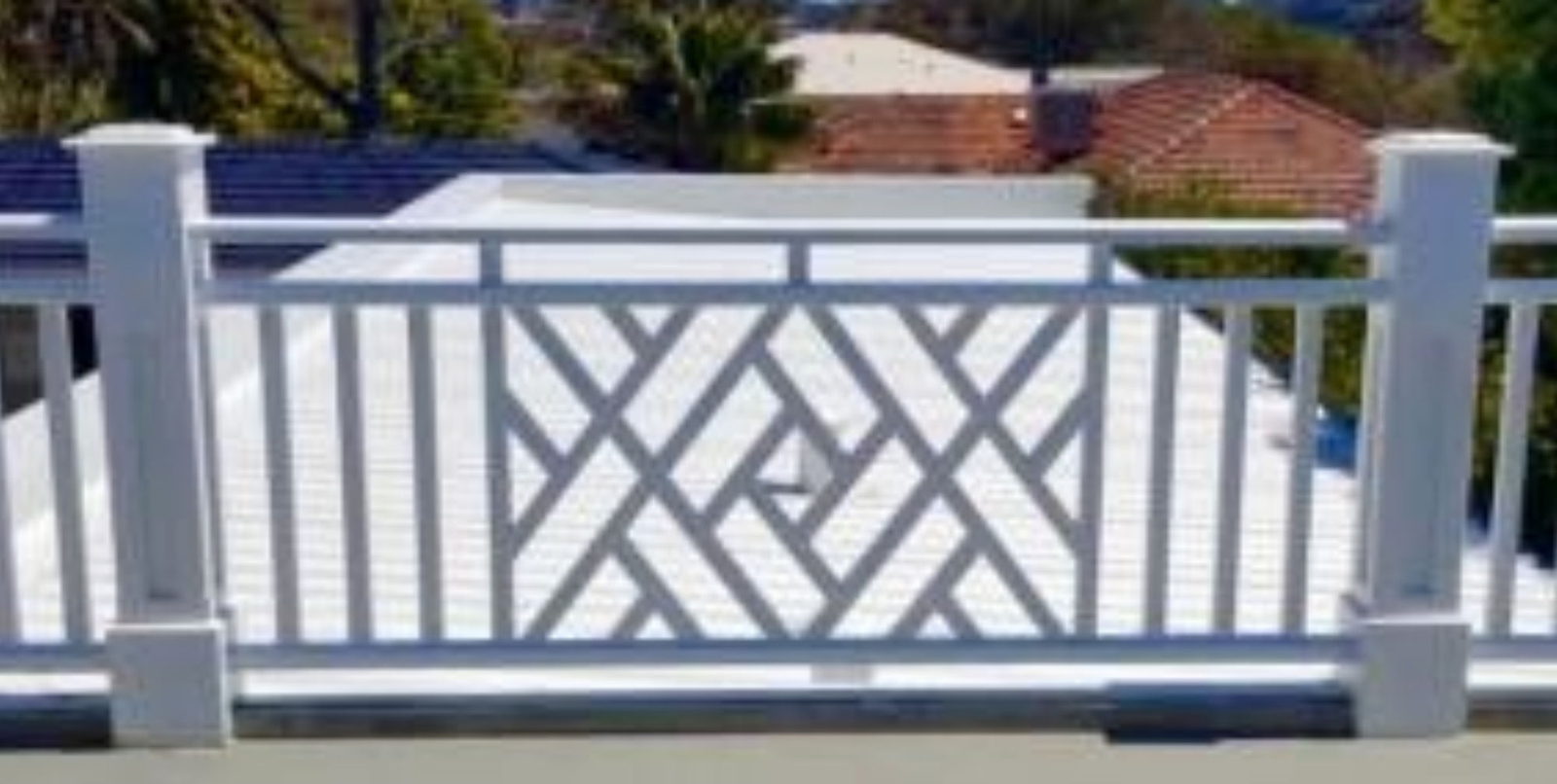
In the shop
Add these to a quote.
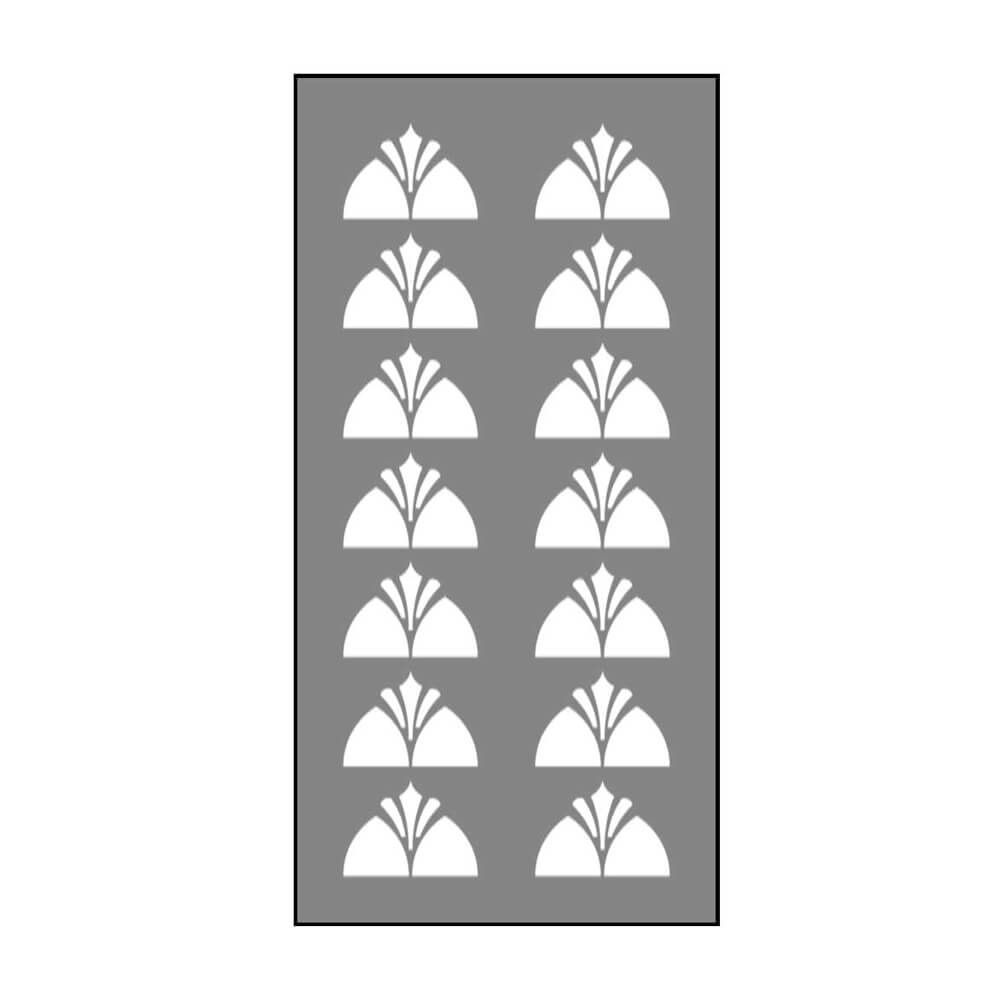
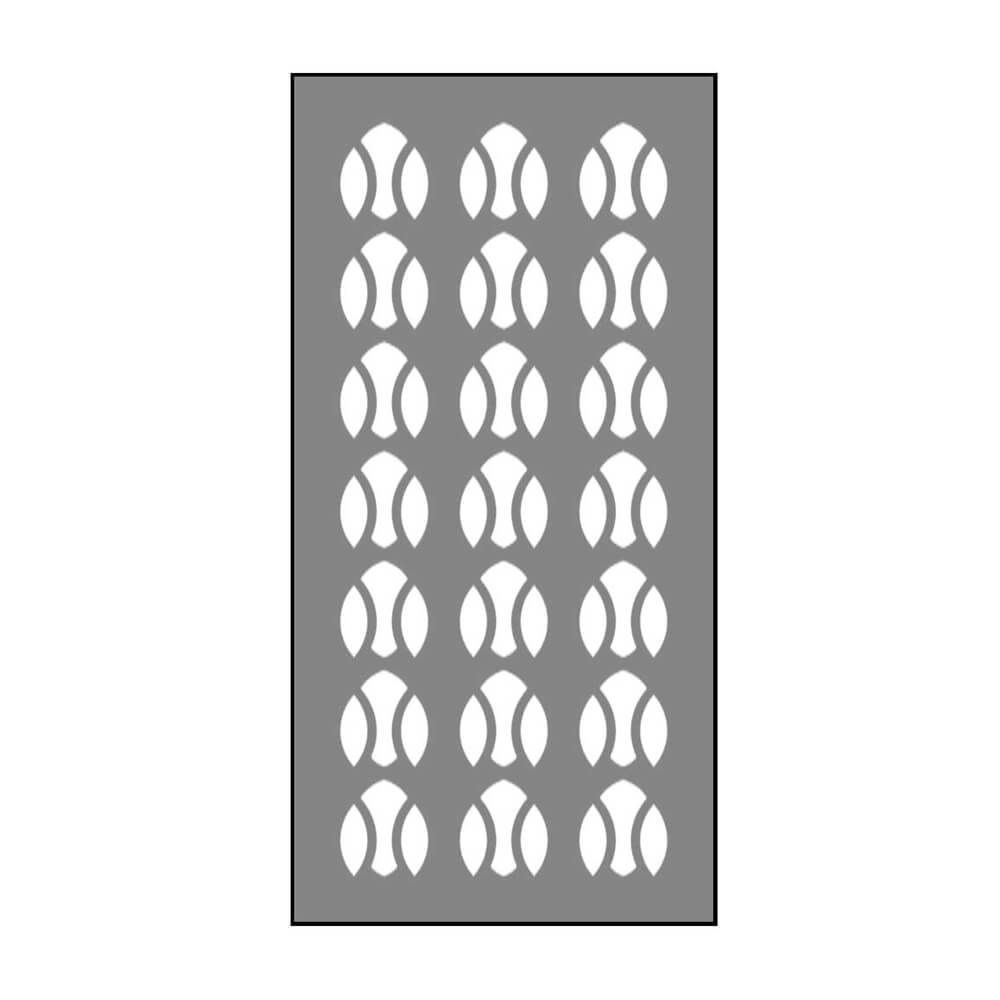
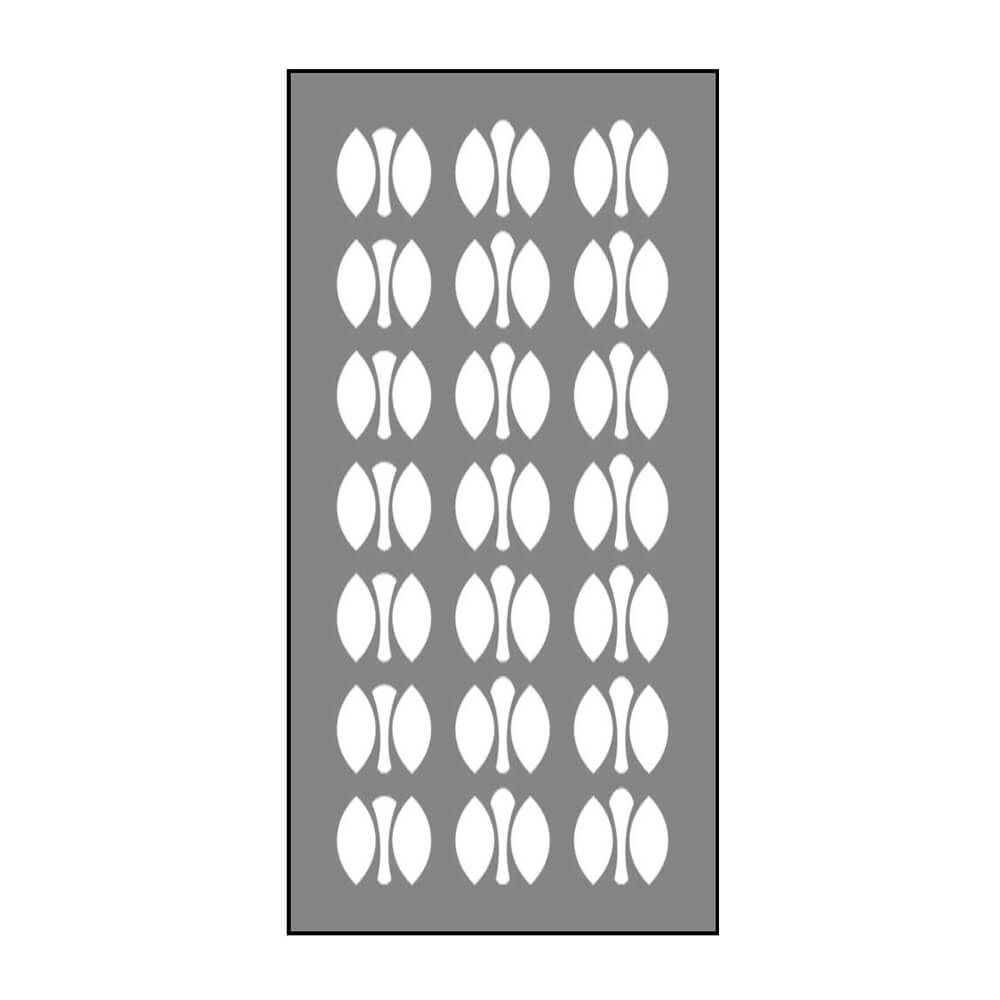
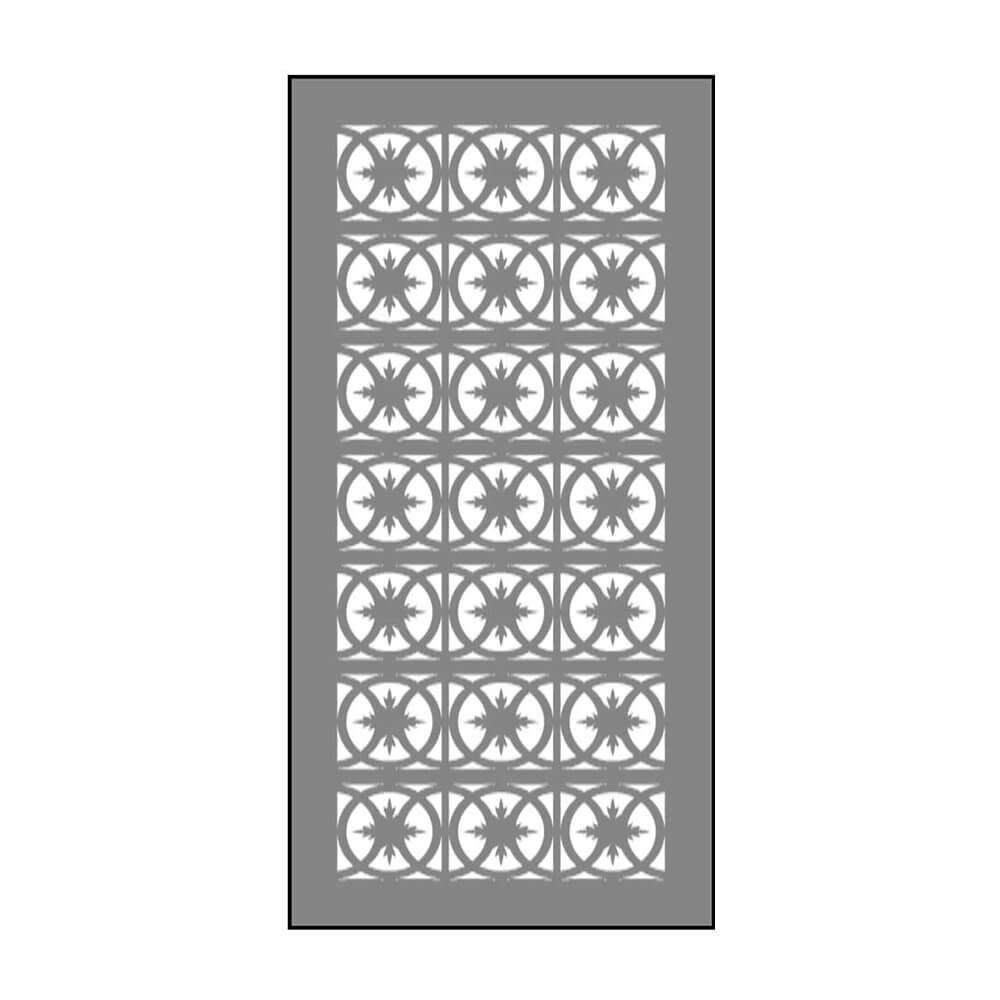
The same ranges in the shop, photographed, with the sizes to choose from. Nothing is charged online — add what you need and send it to us as one quote request.
What you get
- Australian made — every product, made in our Bayswater workshop since 1984
- 25 year guarantee — on external LOSP H3 treated pine, above ground
- An answer within one business day — we reply to enquiries and quote requests
- In stock, or made in 1 to 4 weeks — some of the range is in stock; the rest is made to order
- Timber-profile matching — from a photograph, drawing or sample
What you are buying
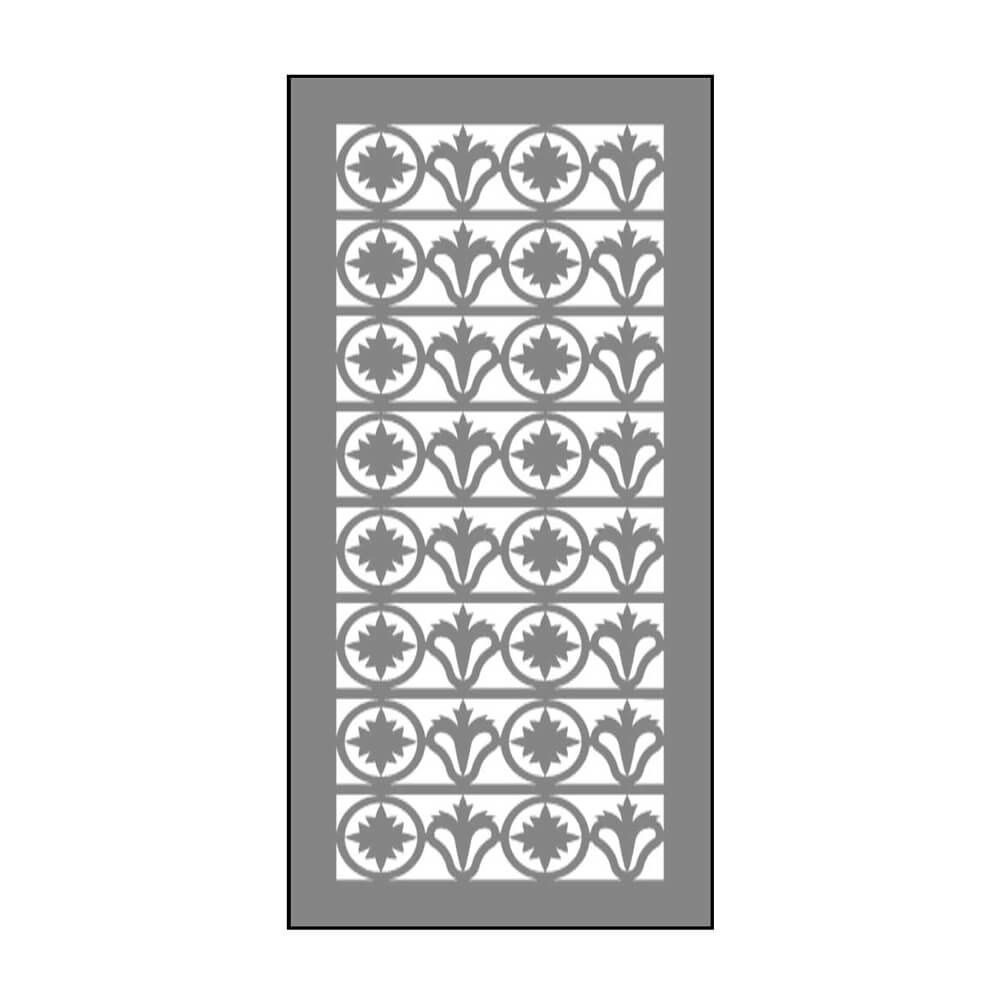
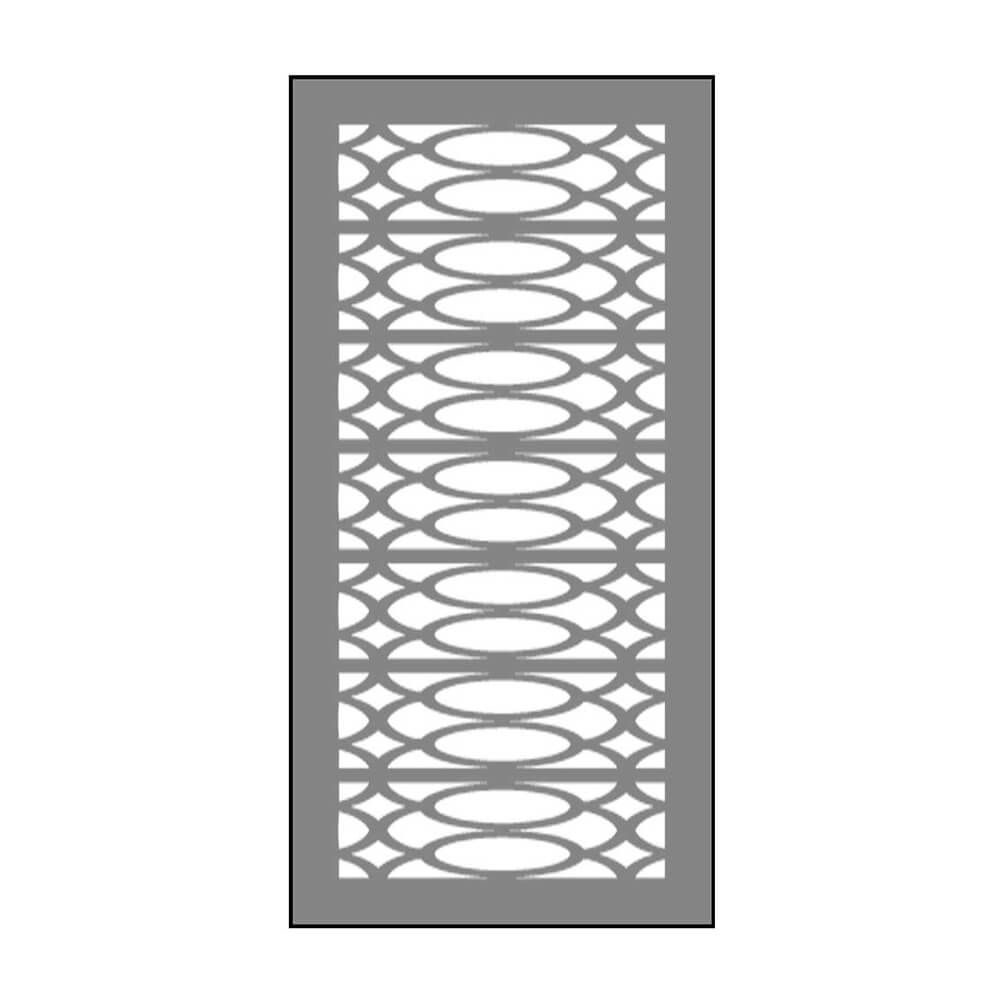
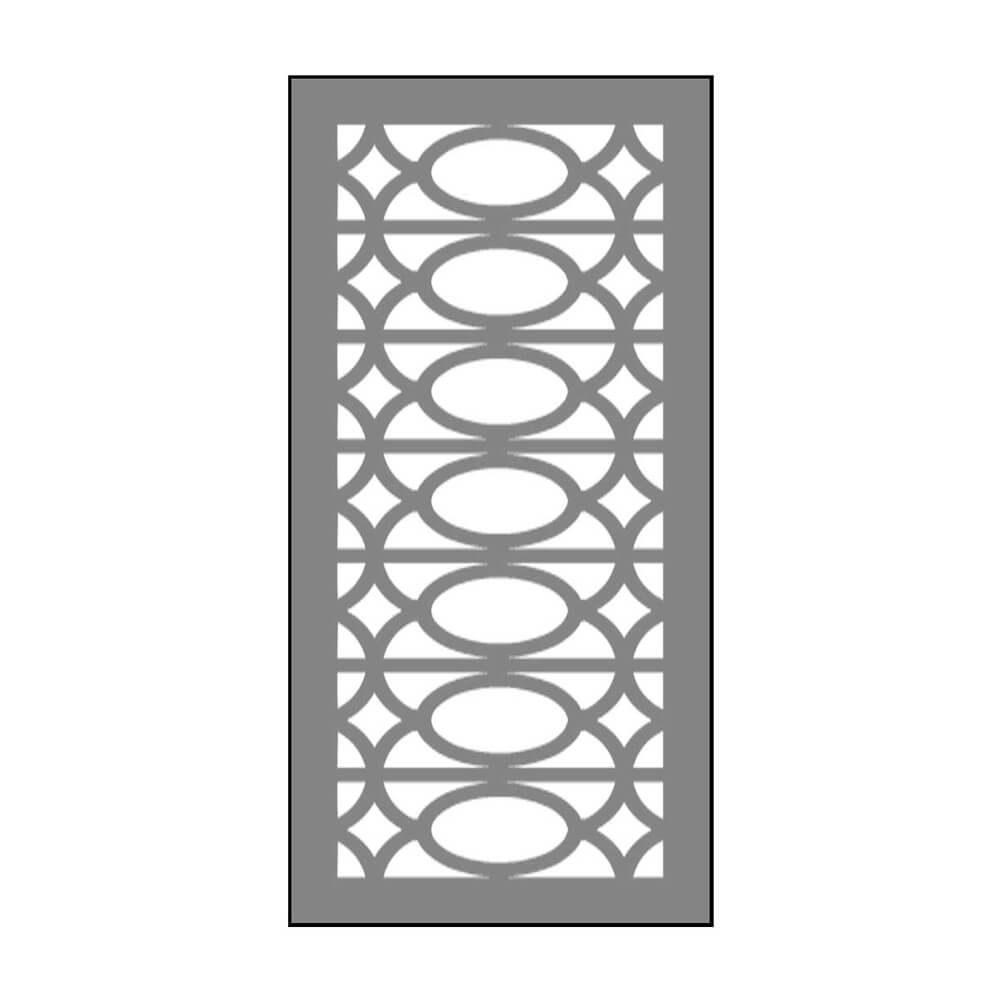
One panel, 1200 x 600mm, priced each, in your choice of pattern from the Heritage & Decorative Timber Products decorative screen range — codes SA1PS to SA23PS. Twenty-three designs, all the same size, so you can mix patterns within a run or repeat one down the whole length.
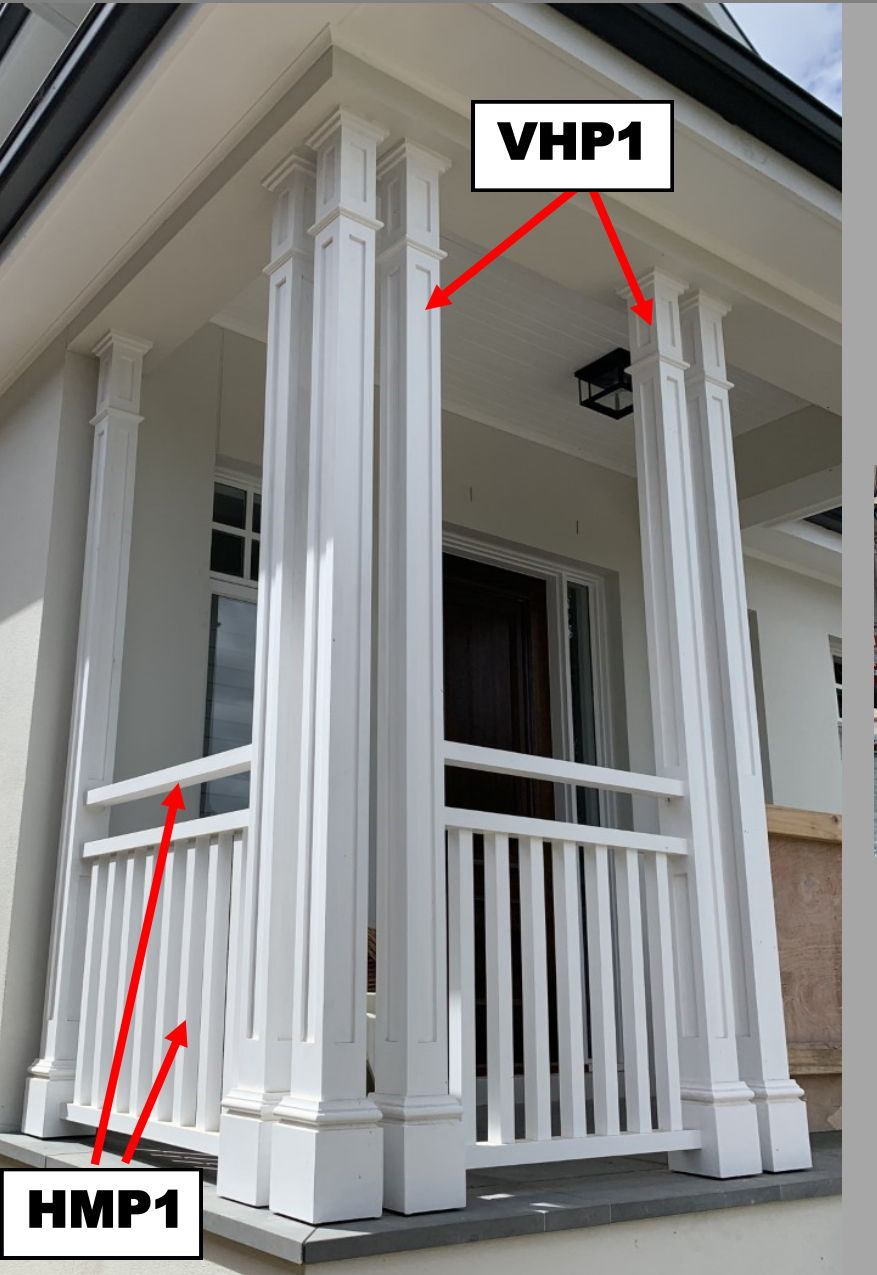
The volume rates are the point of this page
Screens are priced in four bands, and the rate drops at each one:
| Quantity | |
|---|---|
| 1–4 units | standard rate |
| 5–8 units | lower |
| 9–12 units | lower again |
| 13 or more units | lowest |
This matters because privacy screening is almost never a one-panel job. At 600mm per panel, a 3.6 metre run is six screens and lands you in the second band; a courtyard wall or a townhouse boundary will usually reach the third or fourth. Work out the full run before you order, not panel by panel — ordering the whole job at once can move you two bands.
Where they go
- Screening a courtyard or a deck from the neighbours
- Along a balcony or a first-floor landing
- Hiding an air-conditioning unit, a bin store, a water tank or a pool pump
- As an infill panel between posts on a side return
- Between townhouses, where a solid fence would black out both sides
They can be fixed into a frame, hung between posts, or set into an existing fence line as a decorative upper section.
How to work out how many
Measure the total length of the run you need to screen and divide by 600mm — that is the number of panels, before you allow for framing timber between them. Then decide the height: one panel gives you 1200mm, two stacked give 2400mm. Tell us the run, the height and whether the screens are going into a frame you are building or between existing posts, and we will tell you what you need.
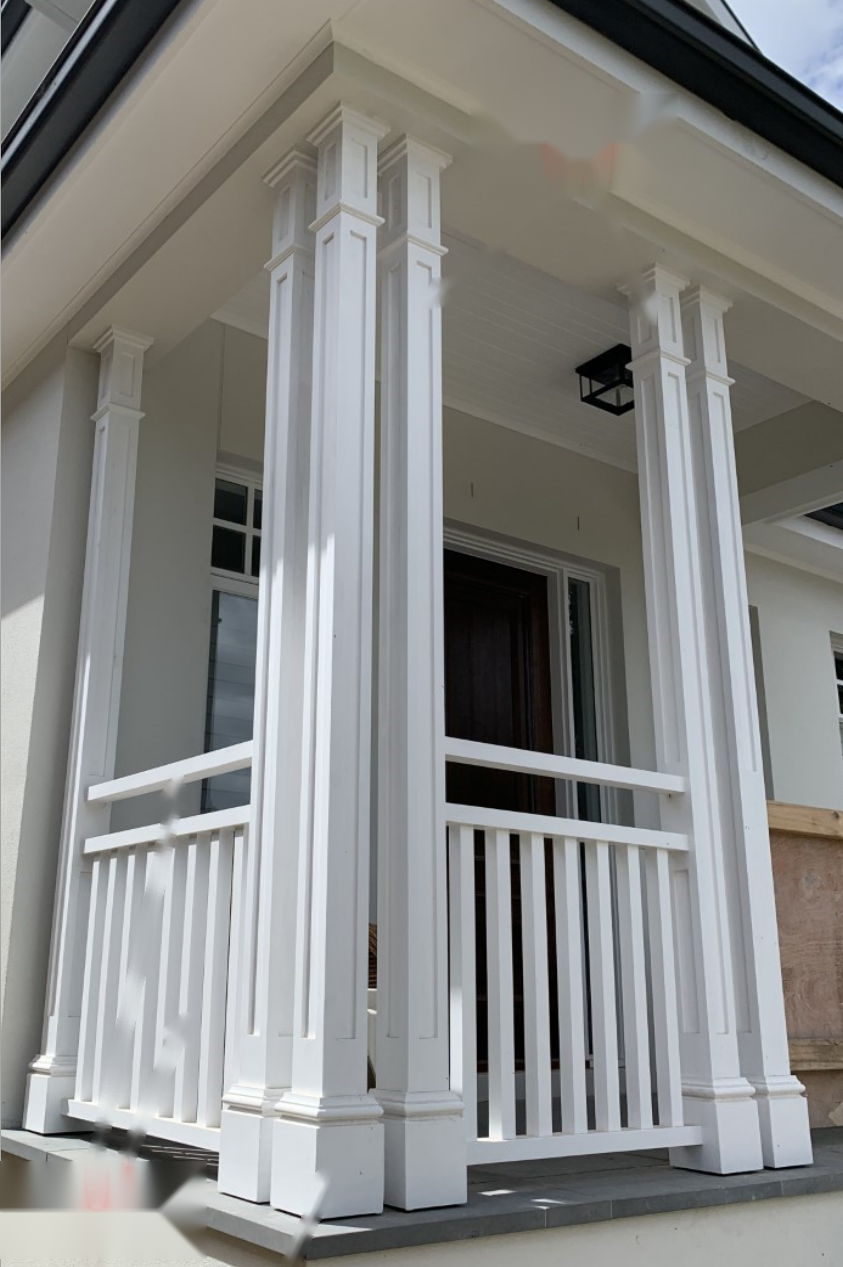
The same patterns, elsewhere on the house
The SA pattern numbers on this list also run as …FW frieze panels for the verandah and …WP window pelmets inside. Any pattern can also be made to your own size instead of the standard panel. If you want the screen in the courtyard to pick up the frieze on the front verandah, choose the pattern once.
Timber and guarantee
Screens can be produced in a variety of timbers to suit the job. Our standard external screen is LOSP treated pine, H3 rated for use outdoors above ground — as external LOSP H3 treated pine used above ground, it carries our 25 year guarantee. Tell us where the screen is going and we will confirm the timber before we quote. Prime every face and every pierced cut before installation.
Free quotes. Send a photograph, drawing or sample for matching work. Australian made, delivered Australia-wide. Call 03 9720 1996.
Related pages
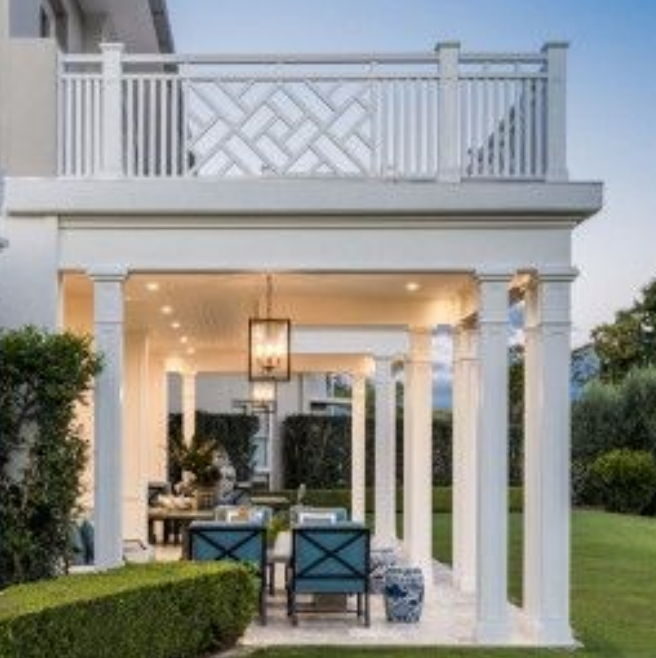
10 of 39 photographs and drawings in this gallery.